Workplace Relocation
Commercial Movers In Dallas
Commercial movers in Dallas that businesses choose should organize more than transportation. Legend Movers coordinates office furniture, equipment, packing, loading, and destination placement around each relocation needs.
Office Logistics
Plan The Workplace Before Moving Day
A workplace move has to account for how the business functions before, during, and after relocation.
Office furniture, equipment, records, employee schedules, and access conditions all affect how the move should be organized. Businesses handling a nearby relocation can explore local moving support while keeping those operational details in view.
Rather than treating the move as a simple transfer of desks and boxes, Legend Movers helps structure the work around packing, labeling, loading, storage, unloading, and placement needs. The sequence can be shaped by what needs to move first, which items require careful handling, and when the destination is ready.
- Inventory Mapping: List office furniture, equipment, records, and packed materials
- Access Review: Note elevators, loading areas, parking, and entry restrictions
- Labeling Plan: Keep boxes and workplace items identifiable during relocation
- Move Sequencing: Organize loading around departments, priorities, and destination needs
- Storage Timing: Plan temporary storage when occupancy dates do not align
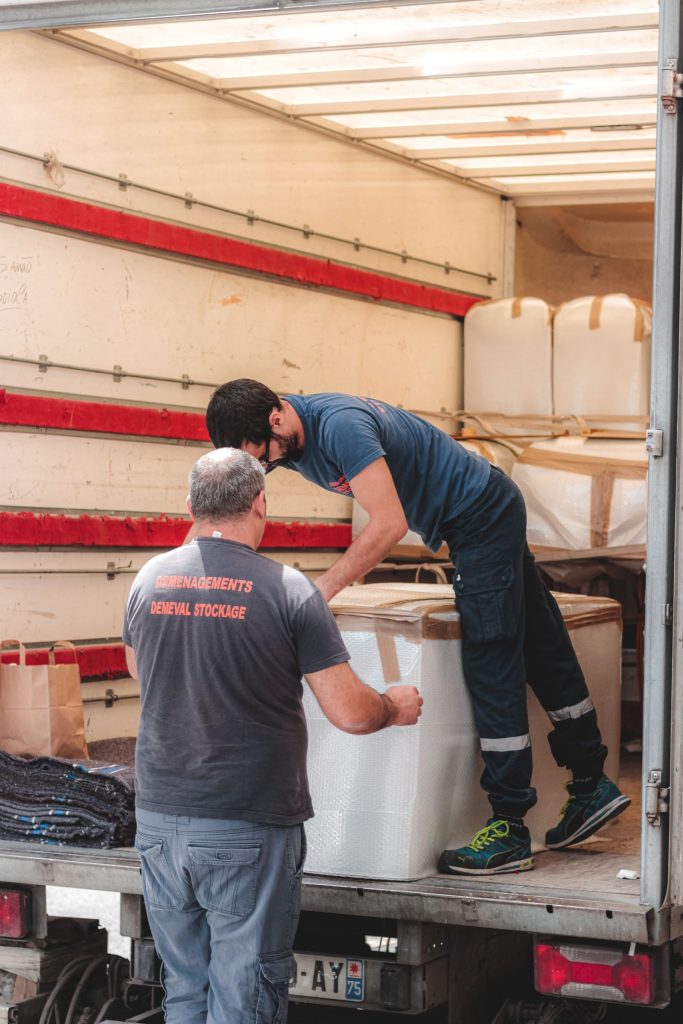
Relocation Support
What Your Business Move Includes
A business move needs to protect workflow as much as physical items, with the relocation organized around what must leave first, what needs special handling, and what should be ready for use immediately after arrival.
Office Inventory
Office furniture, equipment, records, boxed materials, and workplace items are identified so the relocation scope reflects what actually moves.
Packing And Labels
Teams can add packing services when boxes, labels, and organized preparation are needed before furniture and equipment leave the workplace.
Loading Coordination
Businesses can arrange loading help for furniture, boxes, and equipment that must move in an organized sequence from the property.
Furniture Placement
Office furniture can be unloaded and positioned according to the destination plan, helping work areas take shape after transportation.
Equipment Handling
Business equipment enters the moving inventory so handling, loading, transportation, and destination placement can be planned around specific requirements.
Storage During Moves
Businesses can use moving and storage options when relocation timing creates a gap between leaving one workplace and entering another.
Workflow
How We Sequence A Business Move
We sequence the move by identifying what should be packed, loaded, transported, and placed first so each stage follows a clear order.
Map The Workplace
The crew reviews office furniture, business equipment, packed materials, access conditions, and destination details so the moving sequence reflects the actual workplace requirements.
Prepare By Zone
Packing and labeling can follow departments, rooms, or work areas, helping items stay identifiable as they move from the existing office to the destination.
Move In Sequence
Furniture, equipment, and boxes are loaded according to access and relocation priorities, helping the commercial moving company keep the transition organized from departure.
Place At Destination
Items are unloaded with the destination plan in view, allowing furniture setup and placement to follow the intended office layout where practical afterward.

Workplace Move Types
Commercial Moves We Handle Most
A commercial relocation should be organized around how the business functions, what must remain accessible, and how quickly the new space needs to become operational.
- Office Relocations: Desks, chairs, records, equipment, and packed materials move between business locations with coordinated handling.
- Business Moves: Business movers coordinate workplace inventory and transportation when companies relocate within Dallas or surrounding communities.
- Furniture Moves: Office furniture is prepared, loaded, transported, unloaded, and positioned according to the destination plan.
- Equipment Moves: Business equipment is included in the inventory so handling and placement needs stay visible.
- Storage Transitions: Temporary storage can support commercial relocation when move-out and move-in dates do not align.
- Sequenced Moves: Move sequencing can separate departments, rooms, or inventory groups to support a more organized transition.
Business Coverage
DFW Areas We Move Businesses
Commercial moves can start from different confirmed DFW communities, with planning shaped around the origin property, destination workplace, access needs, and relocation timing.
Before Relocating
Commercial Moving Questions
What should a Dallas business plan before scheduling an office relocation?
Start with the move date, workplace inventory, building access, furniture, equipment, packing needs, destination layout, and any storage gap. Mapping these details early helps an office moving company understand the relocation scope and organize the sequence of packing, loading, transportation, and placement.
How can an office move reduce disruption to normal business operations?
Downtime planning starts by identifying essential work areas, access restrictions, move priorities, and the order in which furniture or equipment should leave and arrive. Clear labeling and move sequencing can help the relocation follow a defined plan instead of treating every item alike.
Can commercial movers handle office furniture, equipment, packing, and storage together?
They can when those services are included in the mover offerings and agreed scope. Legend Movers provides office moving services, packing and unpacking, loading and unloading, and short-term or long-term storage, allowing businesses to coordinate several relocation needs through one moving plan.
What affects the price of commercial moving services in Dallas?
Commercial moving costs can depend on inventory volume, labor needs, distance, building access, packing requirements, furniture or equipment handling, storage, and the overall move scope. Businesses should request a clear estimate that explains included services rather than comparing price without reviewing what each quote covers.
When should a business request a commercial moving quote for an office move?
A business should request a quote once the approximate move date, origin, destination, inventory, access conditions, and required services are reasonably clear. Earlier planning gives the moving company more information to discuss logistics, packing, storage, sequencing, and the scope of the relocation.